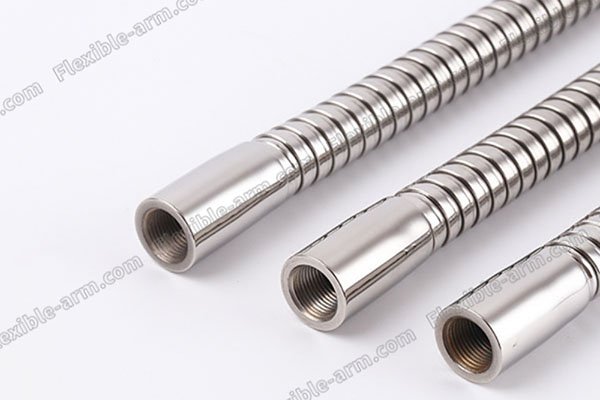
Stainless steel flexible gooseneck tubes are components for adjustable equipment supports. To specify an assembly, define the material requirements, working position, supported load, end connections and exposure conditions together. The material name alone does not establish a load rating, corrosion rating or service life.
Explore the stainless steel gooseneck arm range. For dimensions and the wider specification process, use our flexible gooseneck tubing selection guide.
Identify the material requirements for the flexible tube, internal construction, end fittings and mounting hardware separately. Ask the quotation and approved drawing to identify the proposed materials and grades for each relevant component. A stainless appearance or product name should not be used as proof that every part has the same composition.
If a particular grade or material certificate is required, include it in the RFQ and confirm availability before ordering. Specify the documentation needed for the actual supplied configuration. Do not assume that a photograph establishes a grade or that documentation for one component covers the complete assembly.
State whether the assembly will be used indoors or outdoors and describe moisture, salt exposure, cleaning agents and operating temperatures. Include the cleaning method, concentration and frequency where relevant. Request review of the proposed materials, finish and connections against those conditions.
Medical, food-contact or marine use needs application-specific review and supporting evidence. This selection guide does not establish suitability for sterilization, a particular chemical, saltwater service or a regulated application. Define required standards and acceptance criteria in the project specification.
Compare complete proposed assemblies rather than material labels alone. Keep working reach, supported load, mounting interfaces and acceptance criteria consistent, then review material, finish, documentation and quoted cost. Our carbon steel gooseneck tubing guide explains the finish and exposure details to include when evaluating that alternative.
Provide the total mounted weight, including brackets and cables, and show the most demanding working position. Record overall length, flexible-section length, outside diameter and the required adjustment range. A long horizontal extension and a short upright support are different load cases; validate the intended arrangement with a sample.
Dimension both end connections, including thread size, pitch, engagement length, shoulders and orientation requirements. State whether the scope is tube only or includes fitted ends and mounting parts. For internal cable routing, specify cable and connector dimensions, assembly sequence and strain relief requirements.
Fit the sample to the intended base with the actual supported device. Check mounting fit, holding drift, adjustment effort, available positions, cable clearance and surface appearance. Define the observation period and allowable movement rather than relying on a general description such as heavy duty.
Where repeated bending or exposure tests are required, agree the test conditions, cycle count and acceptance criteria before approval. Record the approved sample, drawing revision and inspection requirements for the order. Confirm which test records and material documents can be supplied; this page does not claim that every configuration has already passed those tests.
No such assumption should be made from the product name. Confirm the material of the tube construction, fittings and hardware individually in the quotation and approved drawing.
Diameter alone is not enough. Provide the mounted weight, working reach, orientation and adjustment requirements, then agree how the proposed assembly will be tested in that position.
Send a dimensioned drawing, component material requirements, environment and cleaning details, supported load and reach, end connections, quantity and required documentation. Identify any mandatory standard or approval test so it can be reviewed before sample or production commitments.

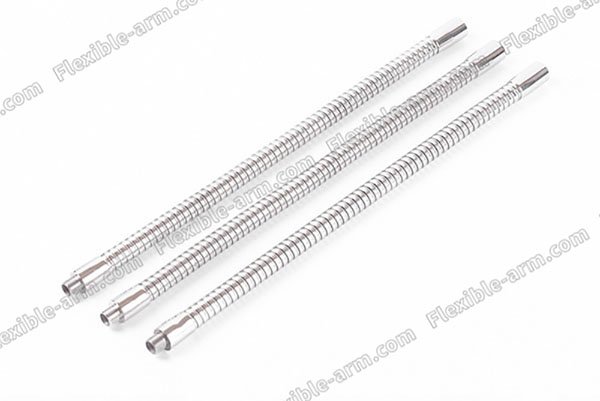

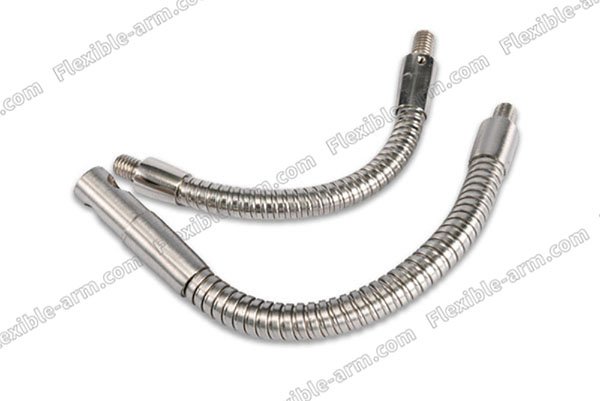
For stainless steel gooseneck tubing, specify length, outside and inside diameters, material requirements, supported load and end connections. Describe the operating environment and any cleaning or corrosion-resistance requirements for review.