Flexible Arm is the brand of Chuanghong Industrial Co., Ltd. This guide helps OEM buyers compare flexible gooseneck arm suppliers using drawings, sample performance and documented acceptance requirements. For component selection, see our flexible gooseneck tubing specification guide.
In the world of modern product design, the flexible gooseneck arm has become a foundational component across countless industries. From microphones and cameras to medical instruments, task lighting, inspection tools, and mobile device mounts, gooseneck arms provide adjustable positioning, precise control, and stable support for lightweight and heavy-duty applications. However, the performance of the final product depends heavily on the quality of the gooseneck structure itself—and that comes down to choosing the right flexible gooseneck arm manufacturer.
An experienced manufacturer does more than produce metal tubes. They engineer torque characteristics, bending strength, load-bearing capacity, corrosion resistance, and long-term durability. They also ensure consistency through advanced manufacturing processes, CNC-machined connectors, and strict quality testing.
In this comprehensive guide, we explore what defines a reliable manufacturer, how gooseneck arms are produced, key features to compare, and what OEM/ODM buyers should look for when selecting a gooseneck supplier in China or globally.
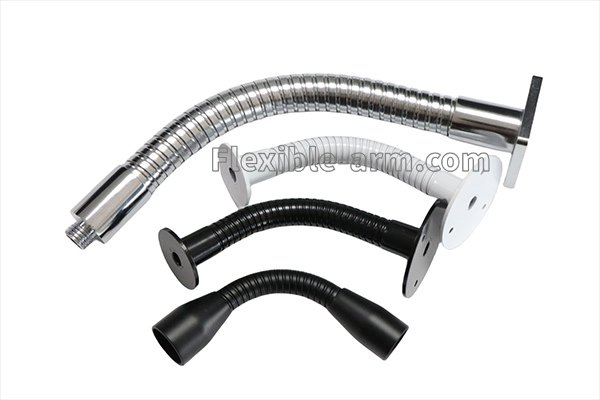
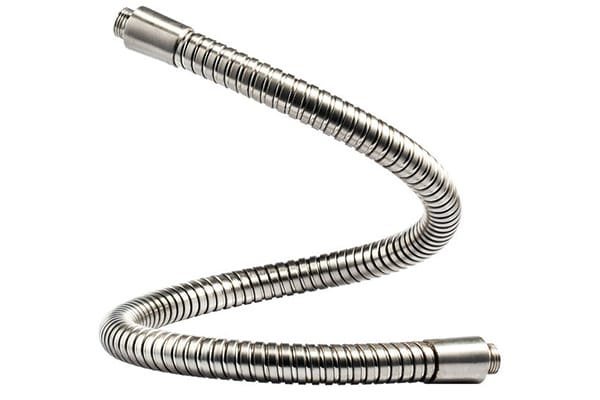
A flexible gooseneck arm—also called a gooseneck tube, flex arm, positioning arm, or bendable metal tube—is a metal hose-like structure that holds its position when bent. Internally, it is typically constructed of:
The best gooseneck arm manufacturers control:
This mix of engineering and craftsmanship is what separates premium gooseneck arms from low-quality ones that sag, break, or lose shape.
A gooseneck arm seems simple at first glance—but poor design leads to common failures:
These failures harm your brand image, increase product returns, and disrupt your supply chain.
Ask a flexible gooseneck arm manufacturer to define and verify the following requirements for your configuration:
Your device’s user experience depends on the gooseneck arm’s strength and feel—making manufacturer selection one of the most strategic decisions in your product development.
Each industry requires different torque, stiffness, finish, and safety standards—another reason why choosing a specialized manufacturer is essential.
High-grade steel ensures strength and long-term bending performance. The best manufacturers use:
Material choice directly affects flexibility, stiffness, and durability.
Precision-wound metal strips create the internal skeleton of the gooseneck tube. Manufacturers adjust:
These details calibrate torque and bending strength.
Heat treatment increases hardness, fatigue resistance, and spring-back control. Without proper heat treatment, gooseneck arms may bend unevenly or lose torque prematurely.
Professional factories use:
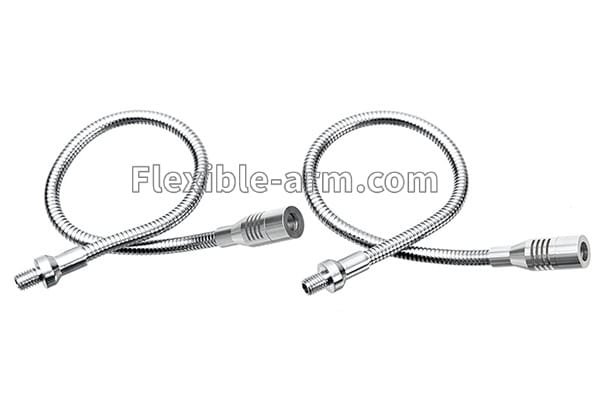
These create high-accuracy parts such as:
Poor machining leads to loose fittings and misalignment.
Gooseneck arms often require:
Confirm the finish, exposure conditions and required inspection or test evidence for the assembled part.
The manufacturer must tune each gooseneck arm to your load requirements. Heavy-duty arms for microphones and medical lamps must hold more weight than phone holders or small LED lights.
Agree which checks are required for the proposed configuration, and request the test method, sample details and results:
A test result applies to the configuration and conditions tested. Evaluate the sample in your assembly and confirm the acceptance criteria before approving production.
For designing heavy-duty, long-life goosenecks.
Including stamping, CNC machining, tube forming, and assembly.
Lengths, diameters, torque levels, connectors, finishes, and wiring.
Essential for new product launches.
Critical for large and repeat orders.
Ask for a documented inspection plan, dimensional tolerances and a process for handling nonconforming parts.
Identify the product and market requirements relevant to your project. Request applicable documents for the quoted part, and check their scope, issuer and validity rather than relying on a list of acronyms.

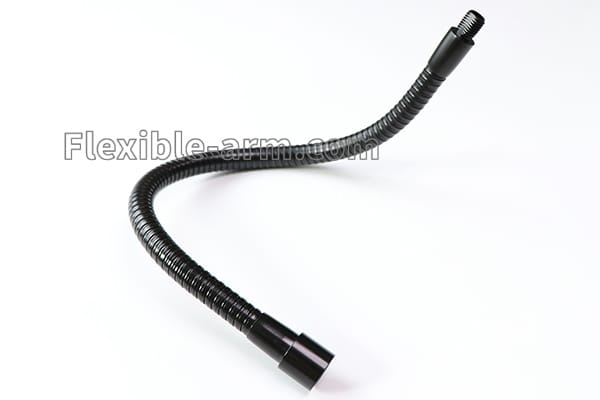
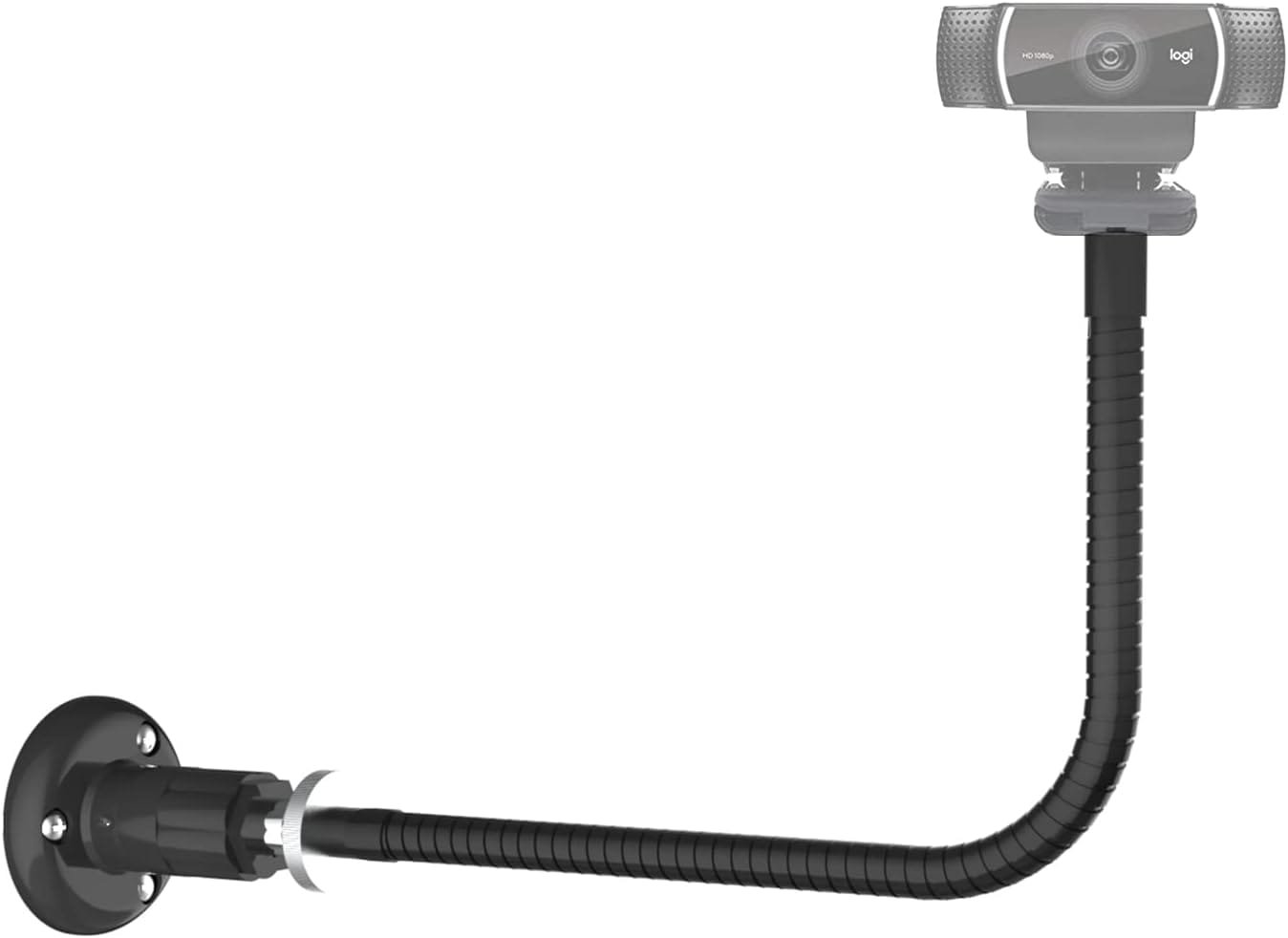
Send each supplier the same drawing and requirements: tube length and diameter, supported weight, horizontal reach, working positions, adjustment frequency, end fittings, cable clearance, finish, environment, sample quantity and production quantity. State whether you need tubing only or a complete mounting assembly.
Ask the quotation to separate sample cost, tooling if required, unit price, supplied components, inspection documents and estimated production and shipping times. Approve the sample against the agreed checks before placing a bulk order.
Use the application selection guide to organize your use case, then send your drawing and gooseneck arm RFQ requirements for configuration review.