Start with the application load
The supported weight, arm length and position determine the stiffness and holding force needed for stable adjustment.
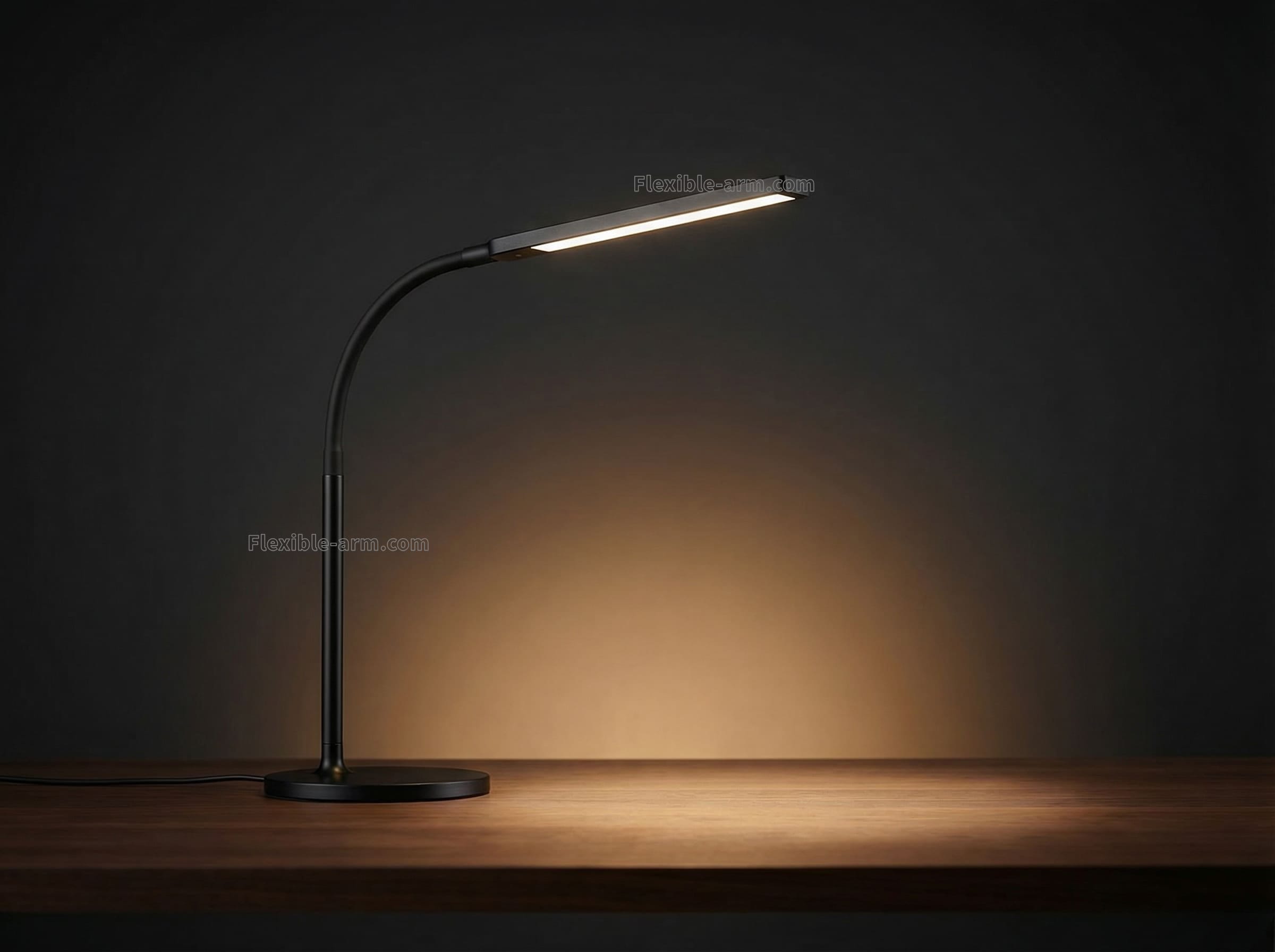
Custom gooseneck tubing and flexible arm manufacturing support for RFQ-driven B2B buyers.
Procurement value
The supported weight, arm length and position determine the stiffness and holding force needed for stable adjustment.
Visible consumer products, medical equipment, inspection lights and industrial fixtures may need different finish, durability and cleaning expectations.
Connector fit, thread size, cable routing and mounting space should be reviewed before samples are produced.
Specification clarity
Clear technical inputs help reduce quotation delays, prevent sample misunderstandings and create a documented basis for repeat production.
Sample to production
Share length, outside diameter, bend holding force, thread type, cable routing, surface finish, packaging and target annual quantity.
Samples help procurement teams validate stiffness, repeatable positioning, finish, assembly fit and application safety before bulk orders.
Production can be aligned with inspection points, cartons, labels, batch records and shipping documents for USA, Canada, Europe and Australia.
Buyer questions
Start with the supported weight, required length, adjustment range, finish, mounting interface and whether cable routing is needed.
Lamp brands should confirm lamp head weight, smooth adjustment, visible finish, cable routing, connector fit and repeatable appearance.
Medical equipment buyers often focus on stable positioning, mounting reliability, surface finish and sample testing with the actual device.
Distributors should standardize length, stiffness, finish, fittings, packaging and inspection checkpoints before repeat orders.
Samples show whether the arm holds the real load, fits the assembly, bends smoothly and meets finish expectations before bulk production.
Next sourcing step