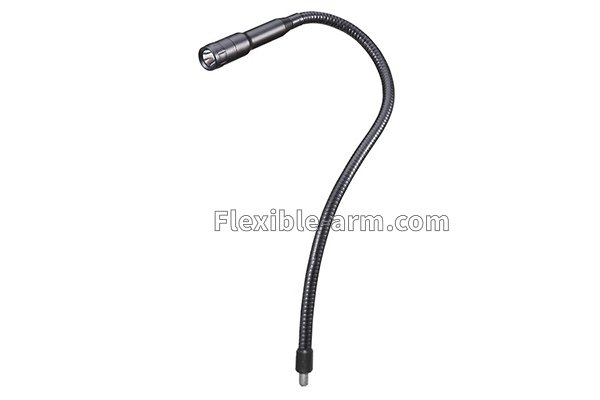
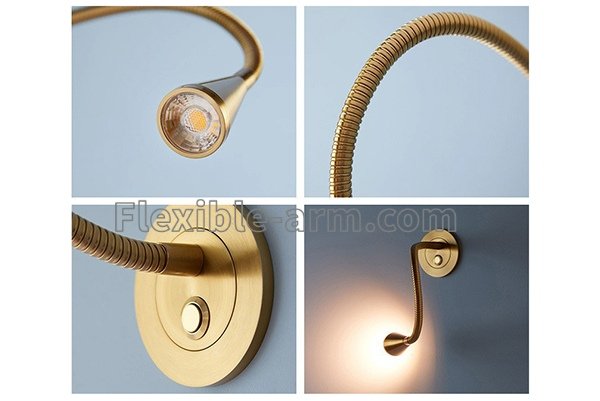

A flexible lamp neck positions the light head within the limits of the selected arm. Start with the complete lamp head weight and the longest horizontal distance from its mounting point. Tube length alone does not establish the load the assembly can support.
Provide the head weight, including its housing and fittings, and a drawing of the intended working positions. Specify the acceptable movement or droop after adjustment. Review holding performance on a sample with the actual lamp head and cable fitted.
Give the cable outside diameter and the size of any connector that must pass through the arm. Check clearance at both end fittings as well as through the tube. Confirm the wiring route and strain-relief arrangement for the finished lighting assembly.
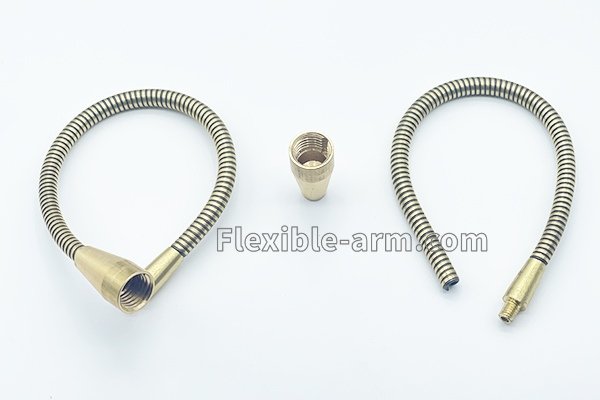
Specify the thread diameter, pitch, male or female connection and usable thread length at each end. Include mounting holes, collars or adapters in the drawing. A similar-looking lamp part is not proof of a matching interface.
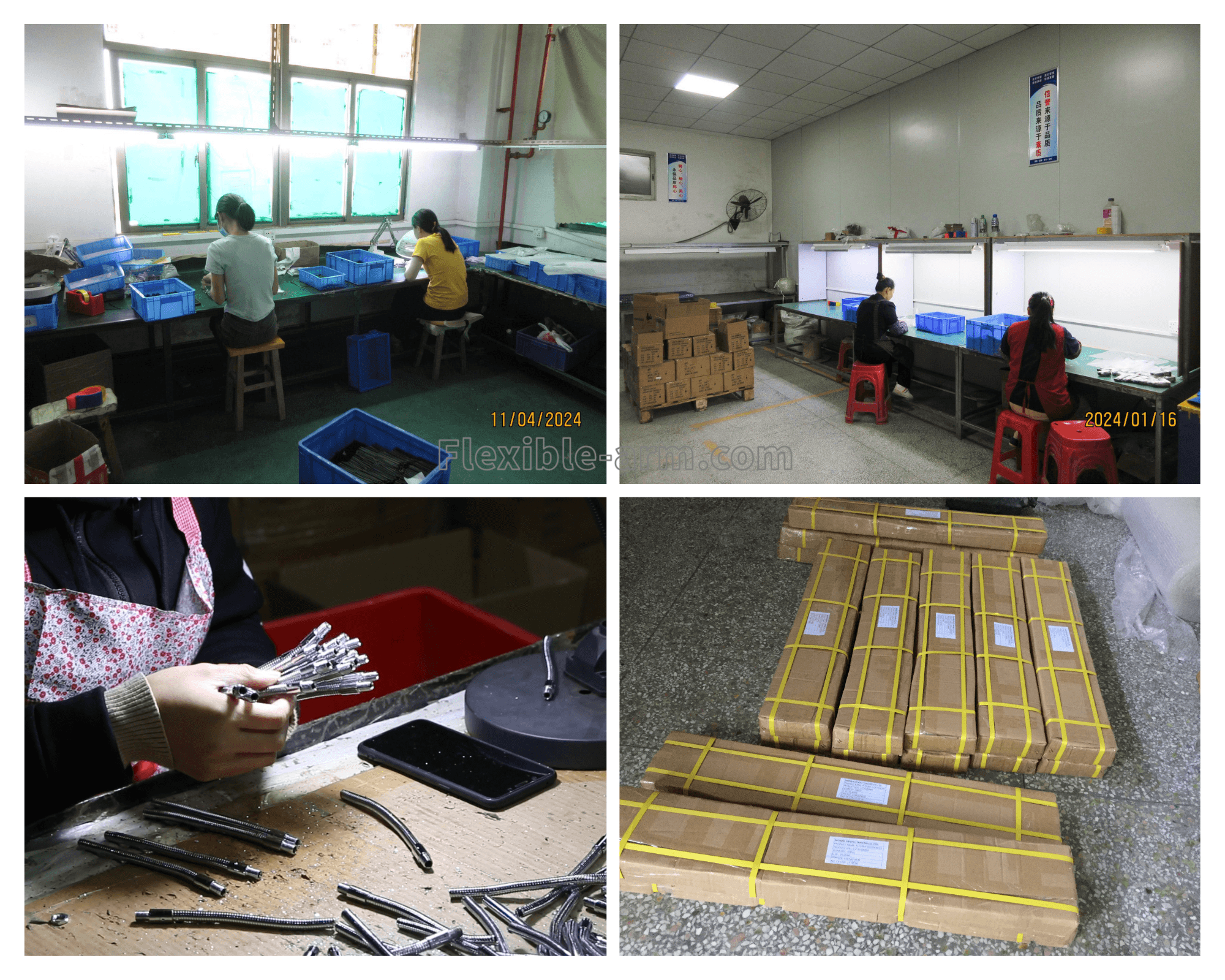
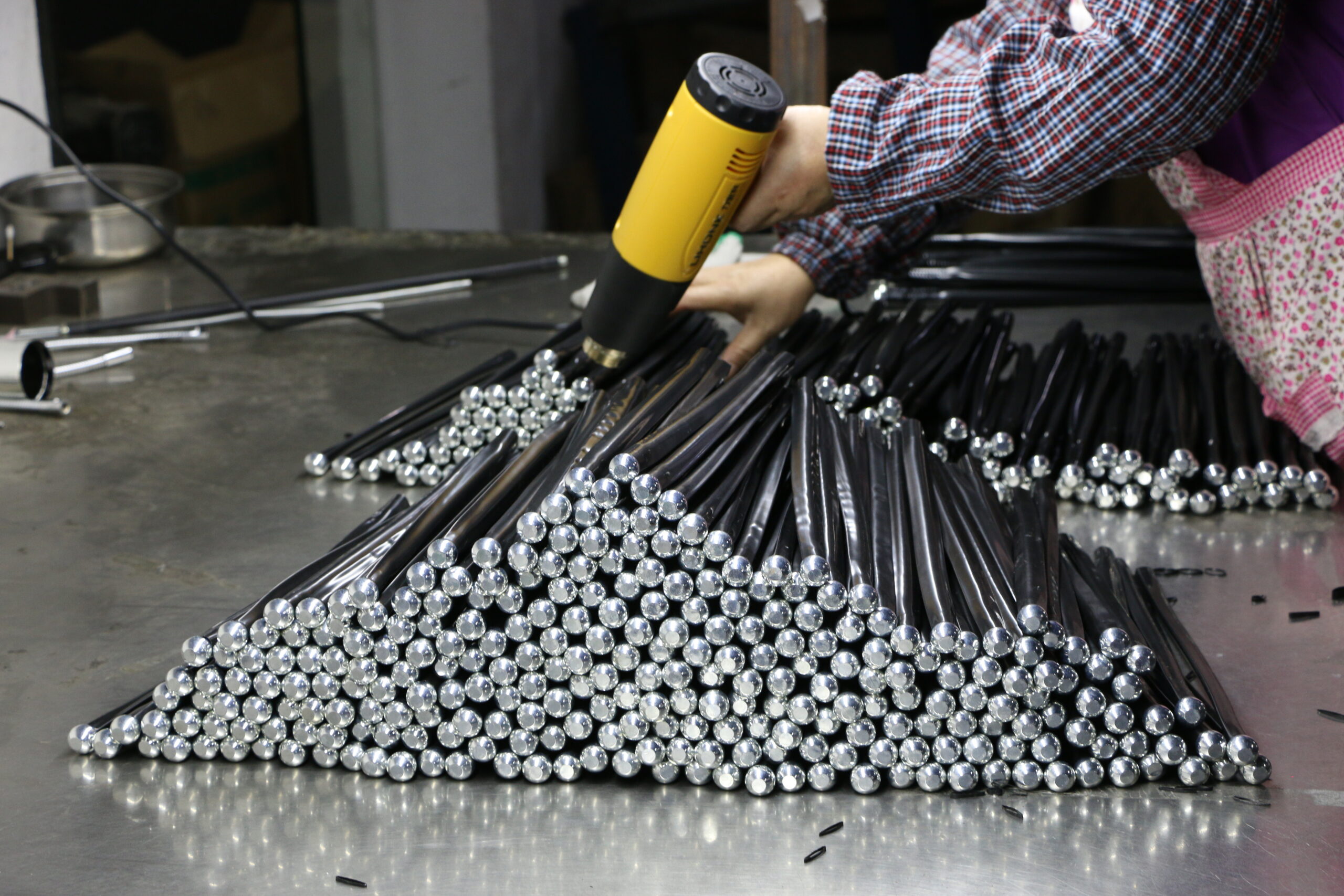
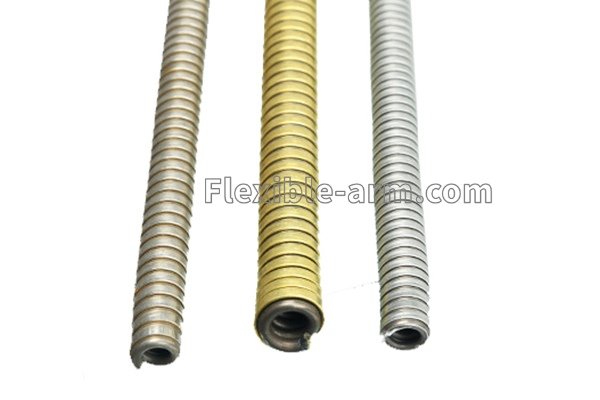
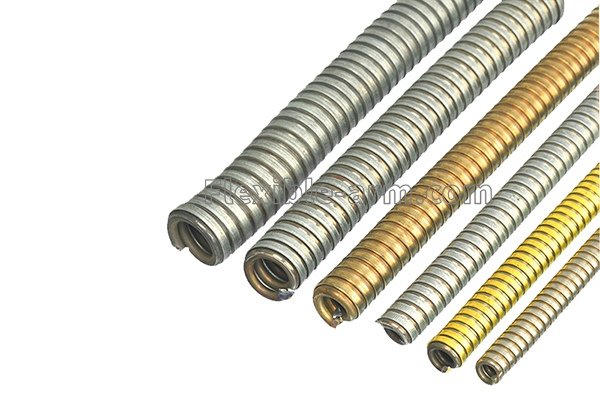
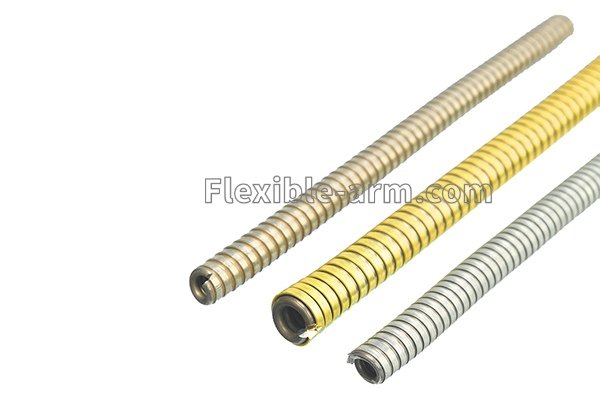
For a clamp-mounted lamp, provide the mounting surface thickness and edge shape. For a fixed base, provide the hole pattern and available space. Confirm which arm, clamp, base and fittings are included in the quote; the photographs are application references.
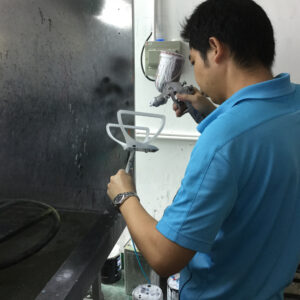
Describe indoor or outdoor use, exposure to moisture, cleaning agents and heat near the lamp head. Ask for material and finish options to be reviewed against these conditions before approving samples.
For tube sizes and construction guidance, see our flexible gooseneck tubing selection guide. To review the wider range, browse our gooseneck tubing and arm products.
Send the existing part dimensions, connection details and lamp head weight. Compatibility needs to be checked against the complete assembly before a replacement is selected.
There is no single load rating for all lamp arms. Ask for a model-specific assessment at your intended reach and mounting orientation, then verify the sample with the actual load and wiring.
This page focuses on gooseneck components and mounting requirements. State whether you need a component or a complete assembly, and confirm the included parts and electrical requirements in the quotation.
Check connection fit, cable clearance, adjustment effort, holding position and finish. Agree the test positions, duration and acceptance limits for your project before sample approval.