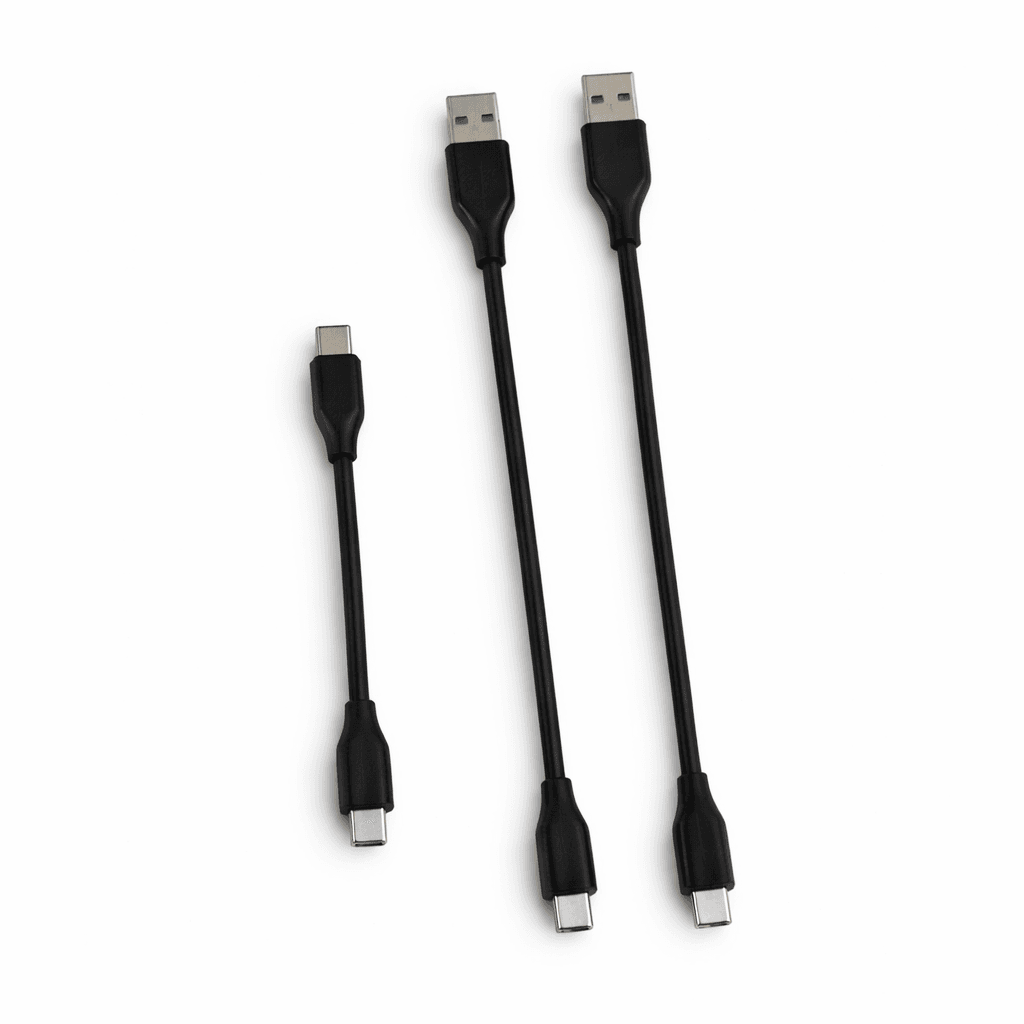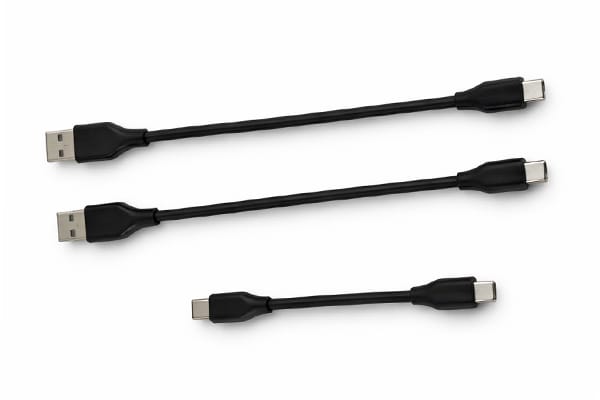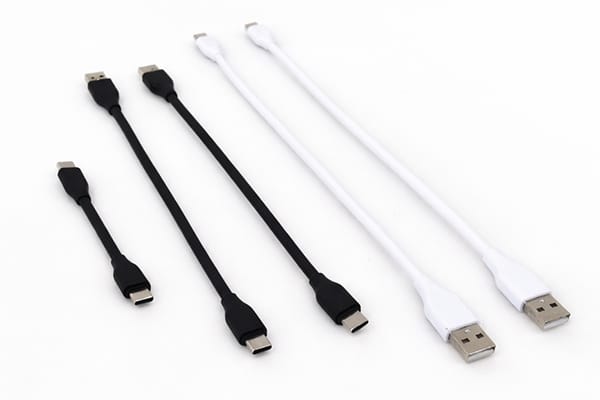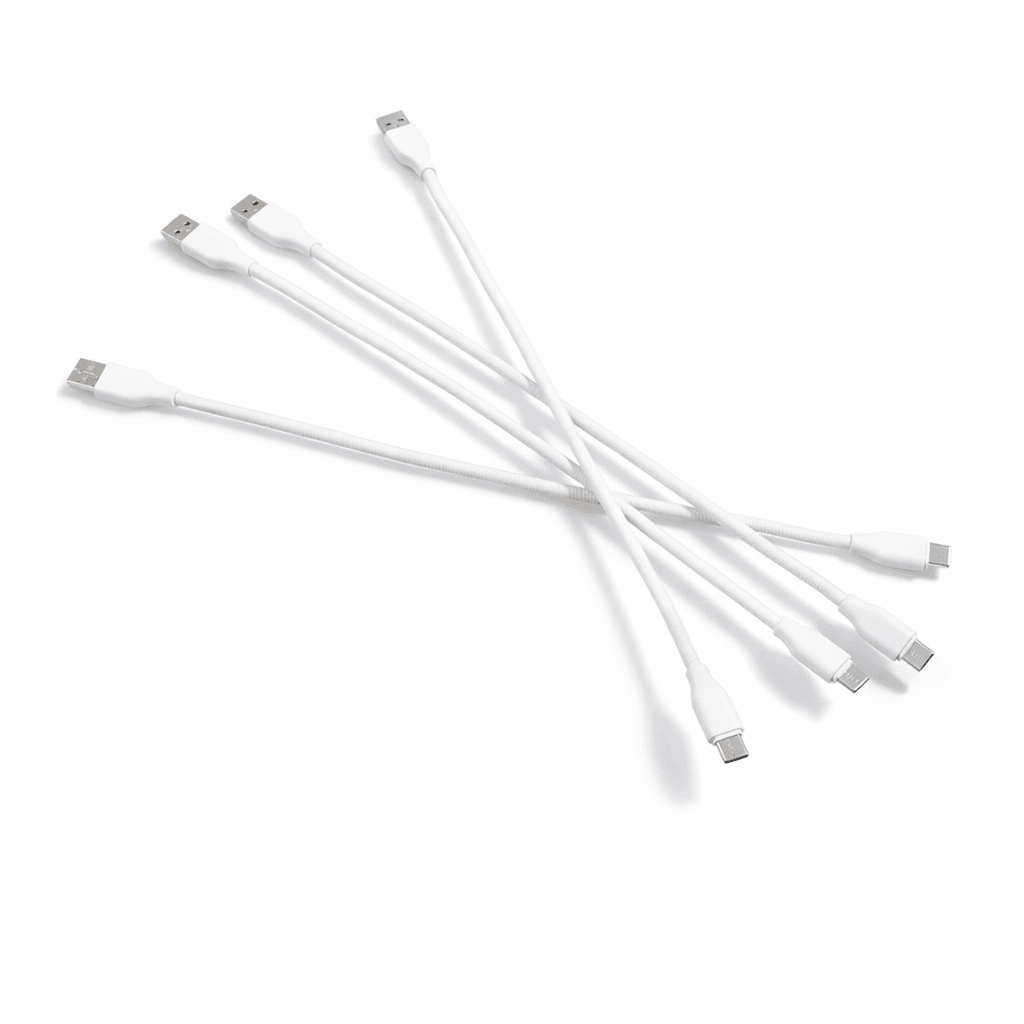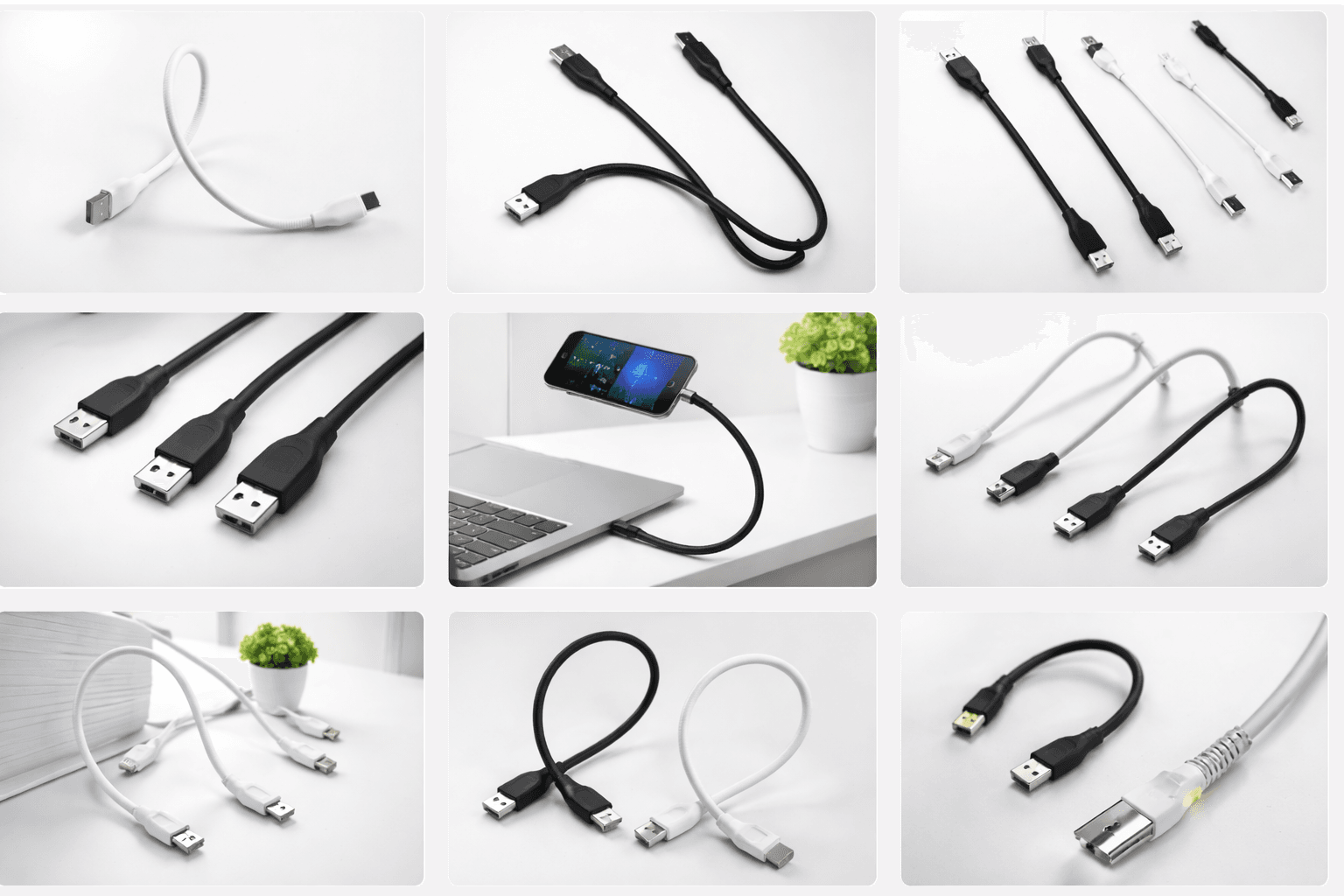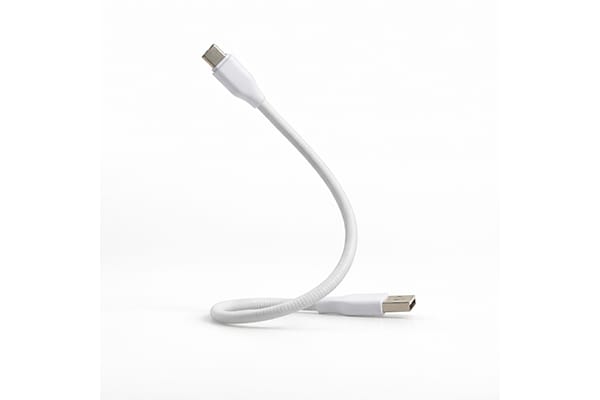
For an OEM project, a gooseneck USB-C charging cable needs two separate reviews: how the bendable assembly fits and moves, and how the completed cable operates with the intended equipment. Use this guide to turn a product idea into an RFQ and a sample acceptance plan. The requirements below are questions to confirm for the proposed configuration, not a universal specification for every gooseneck cable.
Clarify whether the requested supply is a mechanical gooseneck section, a completed electrical cable assembly, or an assembly with a separate base or device holder. Identify which parts the supplier will provide. A cable positioned for convenient access and an arm intended to support a device are different project scopes; record any load-support requirement explicitly.
Compare the gooseneck USB-C cable product options for the overall assembly. The USB flexible arm application category provides related configurations.
Name the power source and connected device, connector type at each end, and required charging voltage and current. If the equipment needs a particular power profile, identify it in the RFQ and request confirmation for the quoted configuration. Do not treat a USB-C connector shape or the phrase fast charging as a complete electrical specification.
State whether the cable is for charging only or also needs data transfer. For a data assembly, identify the host, device, required data rate and cable length, plus any additional function the project requires. Confirm those functions for the proposed assembly before ordering samples.
Use the USB charging cable requirements for a charging-focused RFQ, or the USB-C data cable requirements when a data connection is part of the project.
Dimension the bendable section separately from the rigid connector housings. Show the mounting points, intended working bend, connector orientation and clearance around the equipment ports. Include any enclosure or holder that affects access. An overall cable length alone does not explain the installed geometry.
Describe who adjusts the assembly and how often it is repositioned. Ask for the intended bend range and adjustment behavior to be reviewed on a representative sample. Avoid specifying unlimited bending or an arbitrary bend-cycle claim without agreed conditions and acceptance criteria.
If the assembly must hold a phone, sensor or other device, provide the complete payload including its holder and adapters, the center of gravity where known, working reach and mounting orientation. Identify how the load is transferred to the base and what force may reach the equipment port.
Agree how position retention and any movement will be checked in the actual working positions. A product photograph showing a supported device does not establish a load rating for a different assembly. Confirm the mounting arrangement and sample results before describing the product as a hands-free holder.
Any electrical, environmental or repeated-adjustment test should have agreed conditions and a pass criterion. Record who is responsible for each check. Material names, a connector label or a generic certification statement do not replace confirmation of the specific assembly and its intended use.
Flexible-Arm can review the project information against the requested assembly scope. Send the USB-C cable RFQ and sample requirements to confirm the proposed configuration, quotation scope and next review steps.