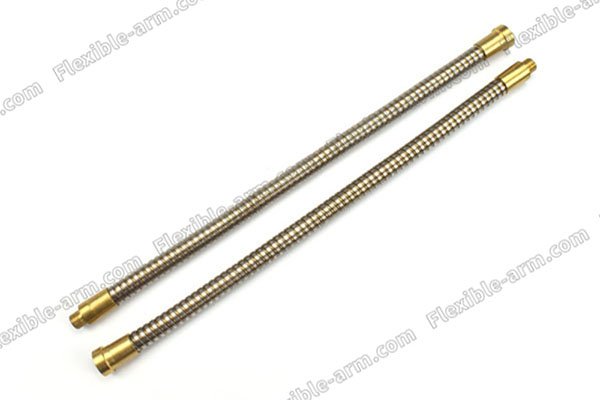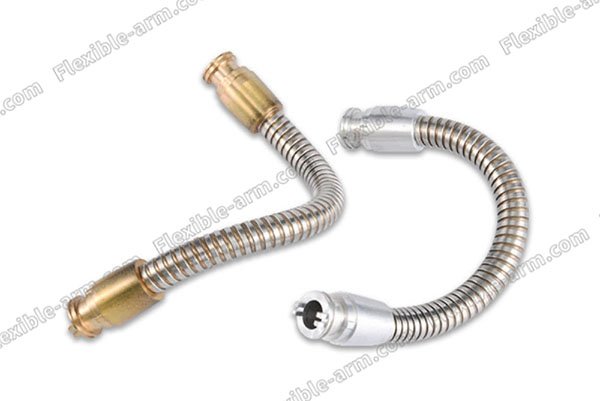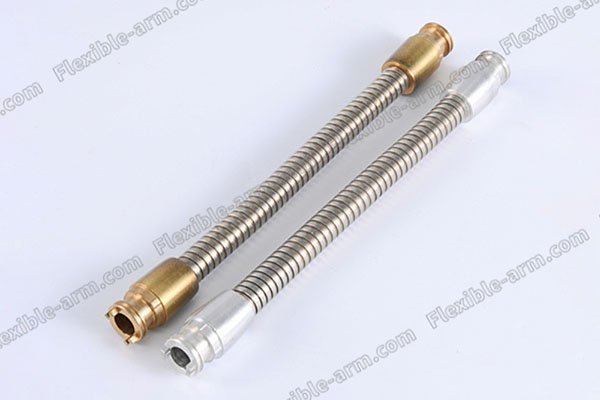
Use the Flexible gooseneck conduits made from brass or stainless steel reference to identify the positioning component required for your project. Confirm whether the RFQ covers a tube, fitted arm or cable-through assembly. The material name does not establish a waterproof, pressure, grounding or electrical-protection rating.
When reviewing brass gooseneck conduit and stainless steel gooseneck tubing, request the material specification, component construction and finish for each quoted option. Do not infer the whole assembly material from its visible surface or product name. Compare supplier-confirmed configurations against the same drawing and test conditions.
Provide the operating temperature, moisture exposure, cleaning agents and contact conditions relevant to the intended installation. Agree the required evidence, test method, duration and acceptance criteria. A brass or stainless steel description alone does not establish saltwater resistance, chemical compatibility, hygiene suitability or a maintenance interval.
Define adjustment effort separately from position holding. Provide the complete supported load and centre of gravity, arm reach, mounting direction, working positions and adjustment sequence. Agree holding time, allowable drift and cycle count before comparing samples.
For Heavy-duty flexible gooseneck projects, record measured performance for the specified load and configuration. Do not infer vibration isolation, fatigue life or load capacity from a heavy-duty description.
State the cable and connector dimensions, tube passage, exit positions, mating thread size and pitch, mounting clearances and assembly method. Check for cable strain, abrasion and interference through the agreed adjustment sequence. Confirm fitting retention against the drawing; a thread match alone does not establish sealing or electrical bonding.
If the project requires ingress protection, corrosion testing, electrical continuity, grounding, insulation or electromagnetic shielding, identify the exact assembly and required evidence in the RFQ. Obtain applicable documentation for the tested configuration, including fittings, cable exits and seals. No such rating is stated for the assemblies described on this page.
Do not treat a positioning gooseneck as a rated electrical conduit or liquid/gas transfer hose on the basis of this article. Any proposed outdoor, marine, food-processing or equipment installation needs its own material, assembly and finished-product review.
Approve the drawing revision and mounting arrangement before sample testing. Confirm manufacturing and assembly instructions before cutting or modifying parts. Record load, reach, orientation, holding time, drift, adjustment effort, fitting security, cable condition and finish results against agreed limits. Include packing and labeling requirements before production release.
Retain the approved sample, drawing revision and inspection records for repeat orders. Component approval does not establish finished-equipment safety or certification. Send unresolved requirements with the RFQ so feasibility, documentation, sample charges and the quoted scope can be confirmed.