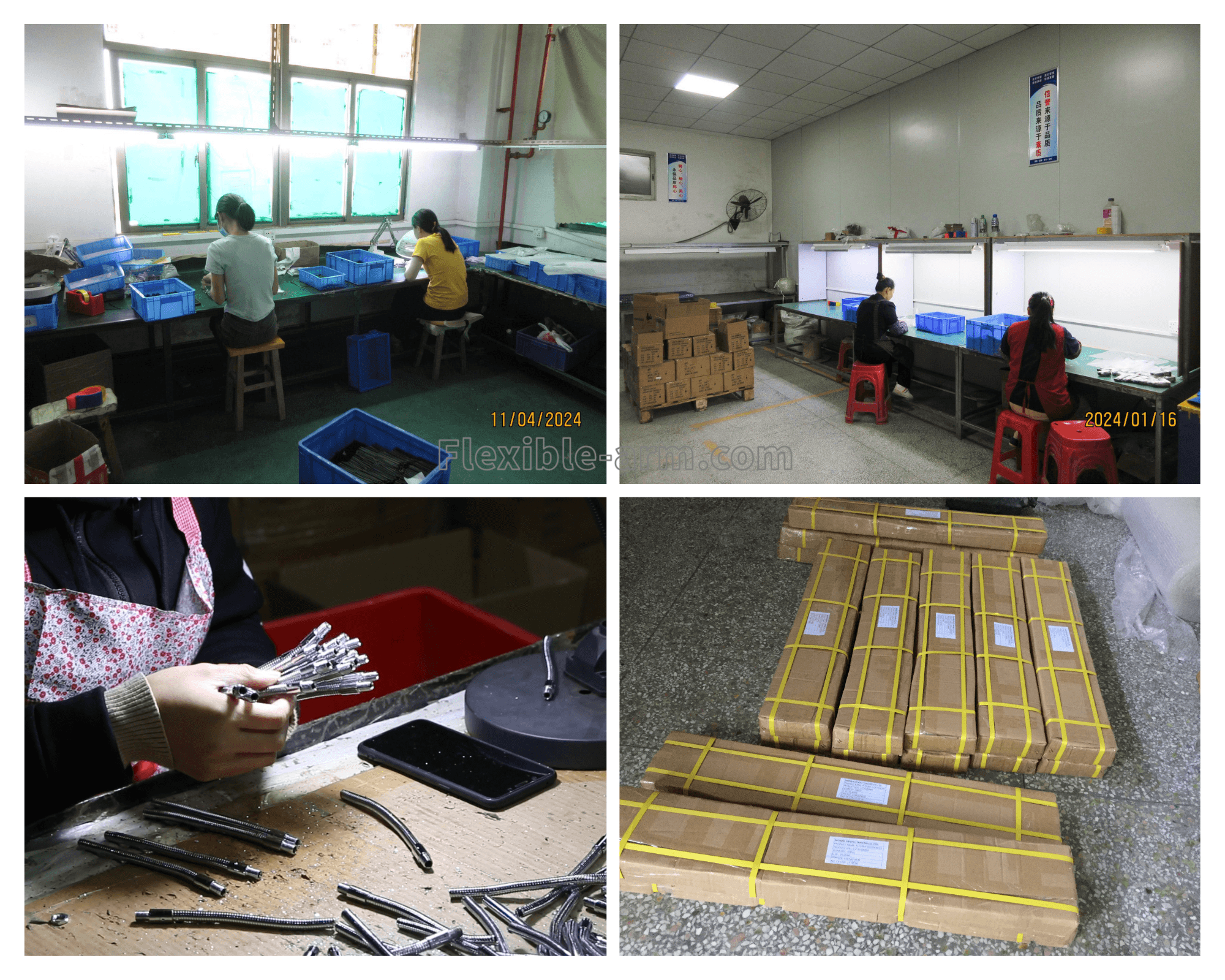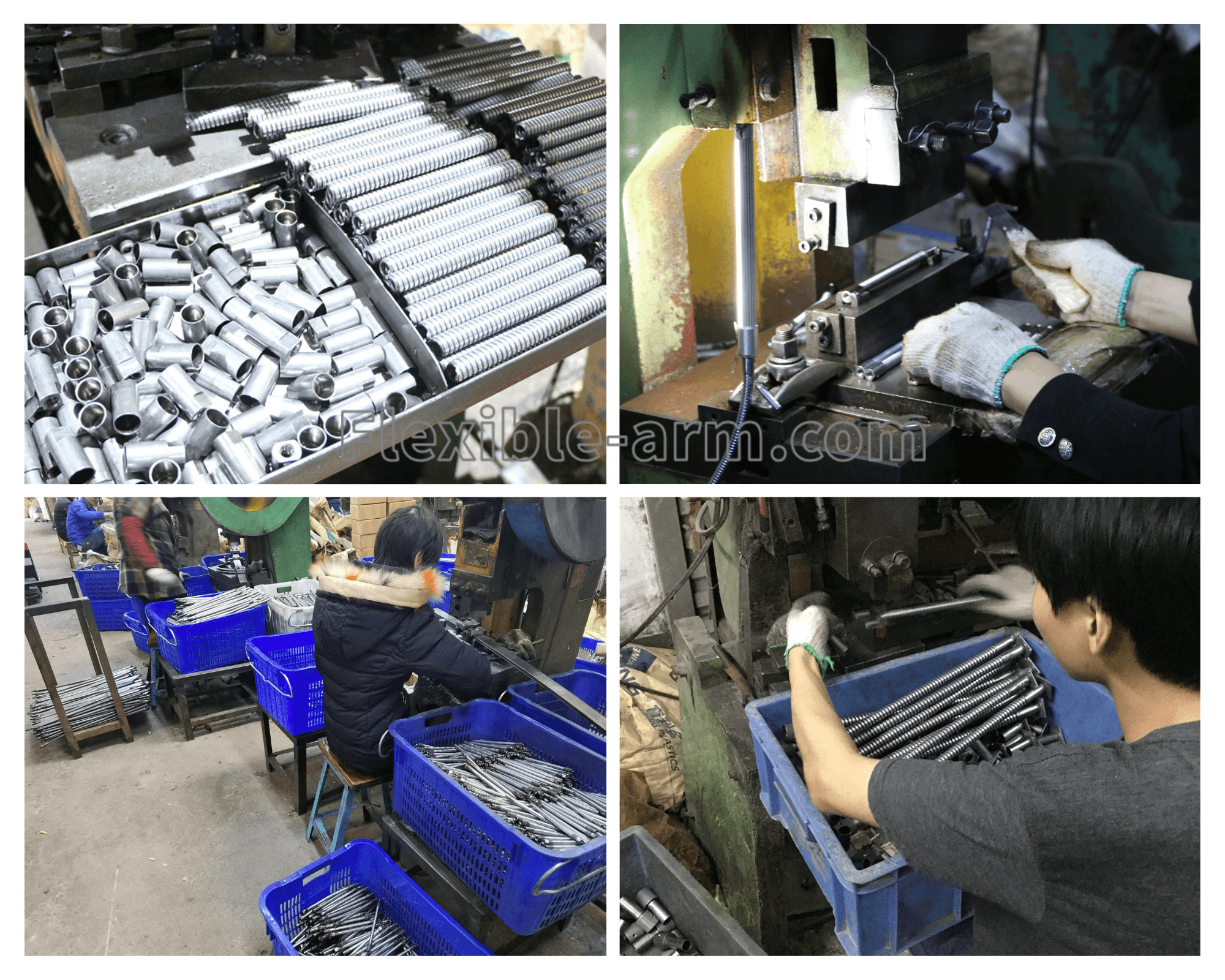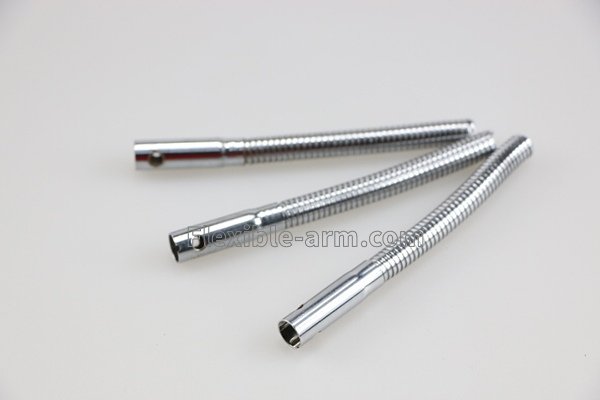


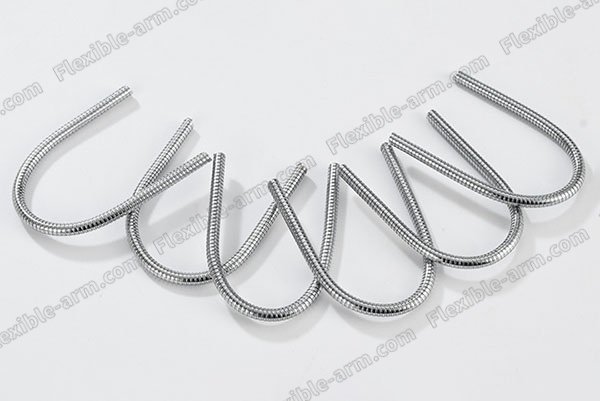
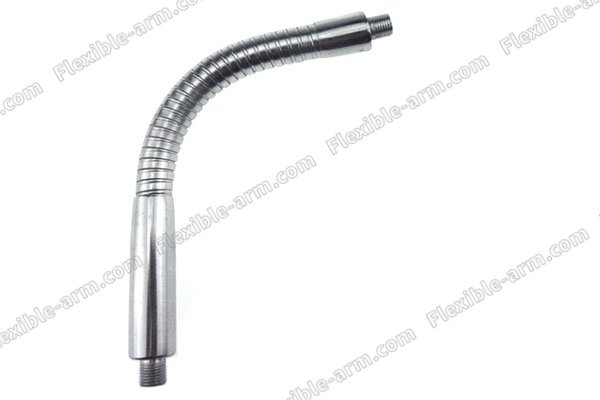
Start with the component that the tubing will support and the intended adjustment pattern. Define whether the quotation covers a positioning tube, a tube with end fittings or a complete mounting assembly. Review the underlying construction separately from its visible chrome finish.
Provide overall and flexible lengths, outside diameter, usable bore, supported mass and its offset. Include the mounting orientation and the longest intended working reach. If routing a cable, check connector passage, bend geometry, entry edges and any separate strain relief using the actual assembly.
A hollow metal tube does not establish a rated electrical conduit, a liquid-tight enclosure or a pressure pipe. Identify any required electrical, fluid-service or application qualification separately and request evidence for the complete offered construction.
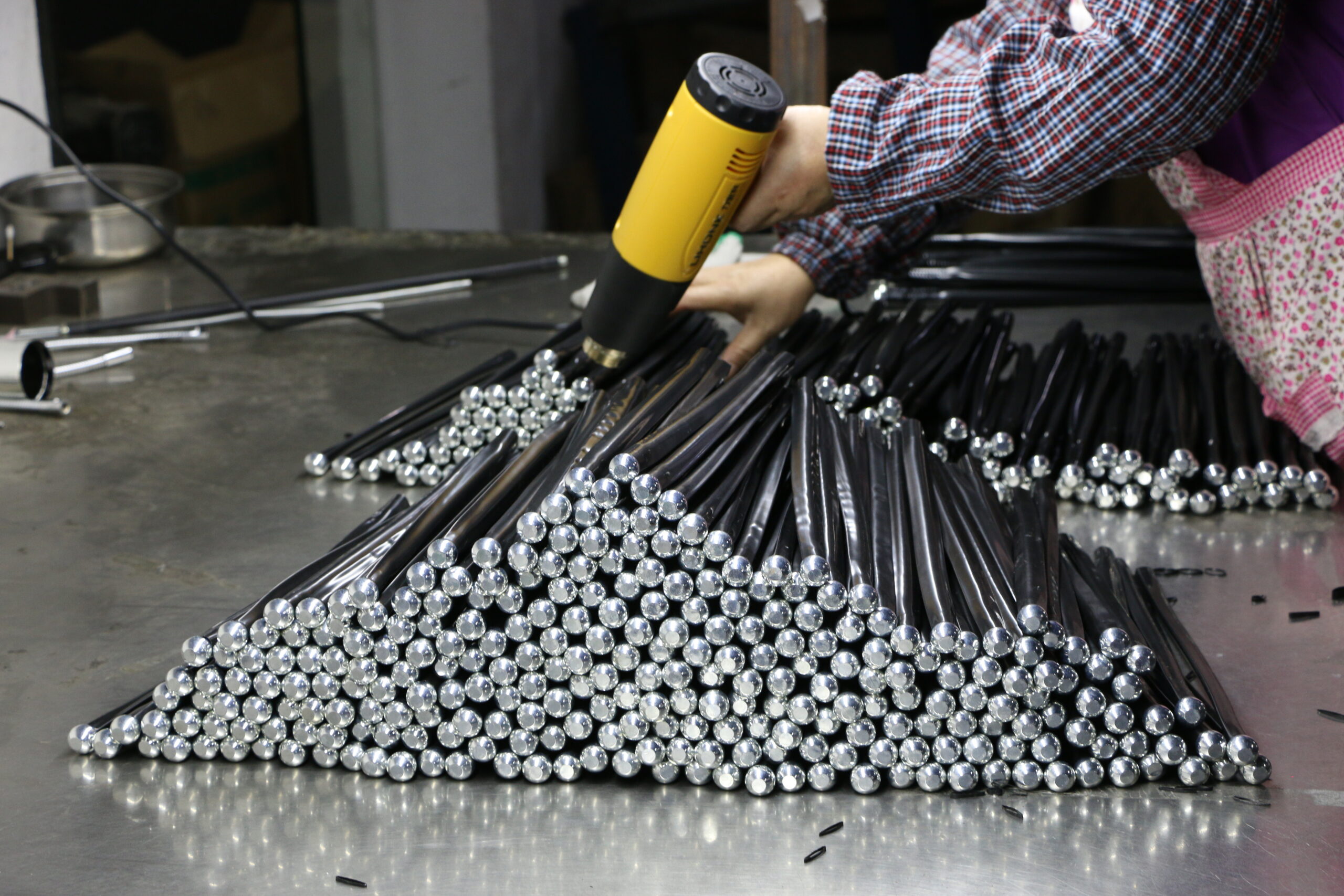
Ask for the substrate material and finishing process to be confirmed. Use an approved appearance sample or defined requirements for gloss, tone, visible areas, coating coverage and handling marks. State moisture, cleaning chemicals, temperature and abrasion exposure, then agree any required environmental tests. Chrome appearance alone is not proof of corrosion resistance or outdoor suitability.
Send drawings, quantities, material and finish preferences, load and reach, cable dimensions and end interfaces. Ask for manufacturing feasibility, proposed deviations, sample timing and production delivery in writing. Confirm the tested configuration and drawing revision before approving the order.