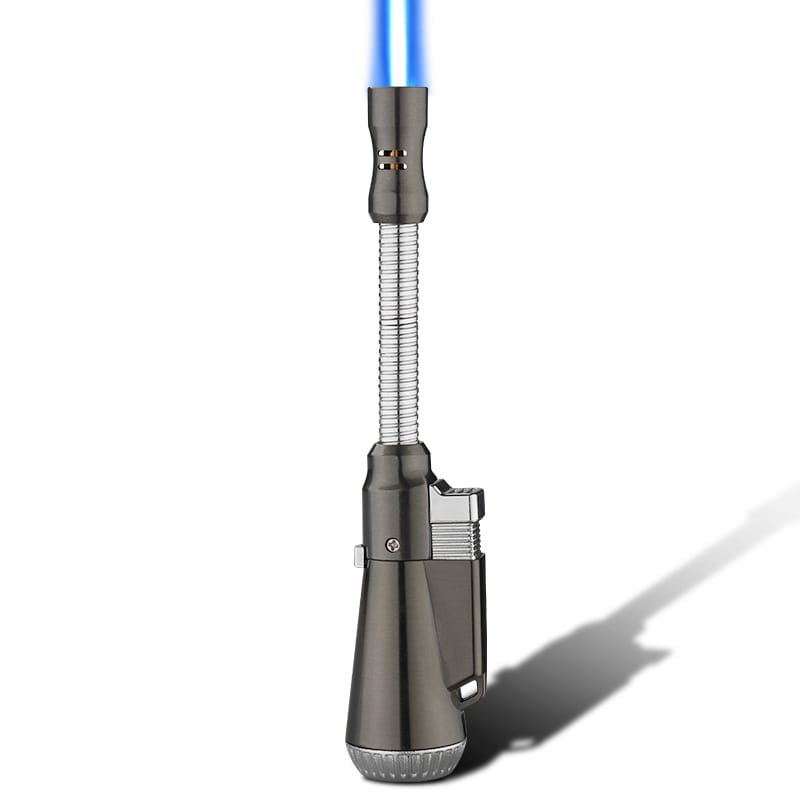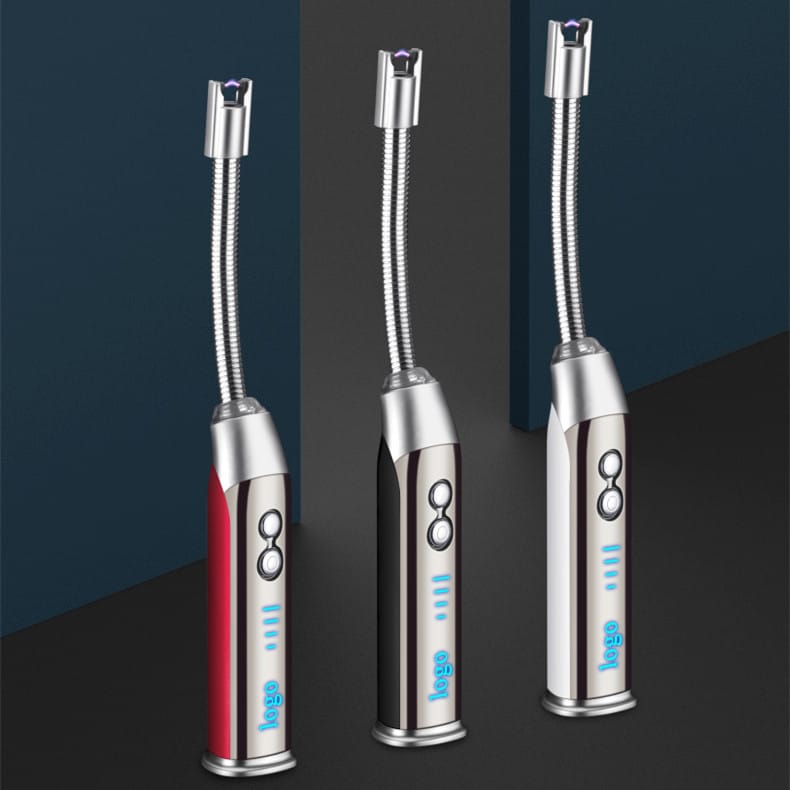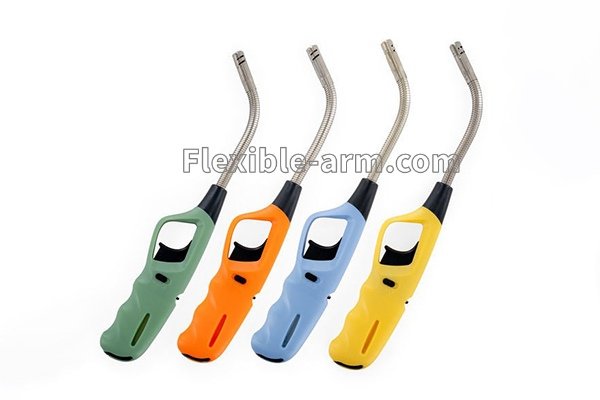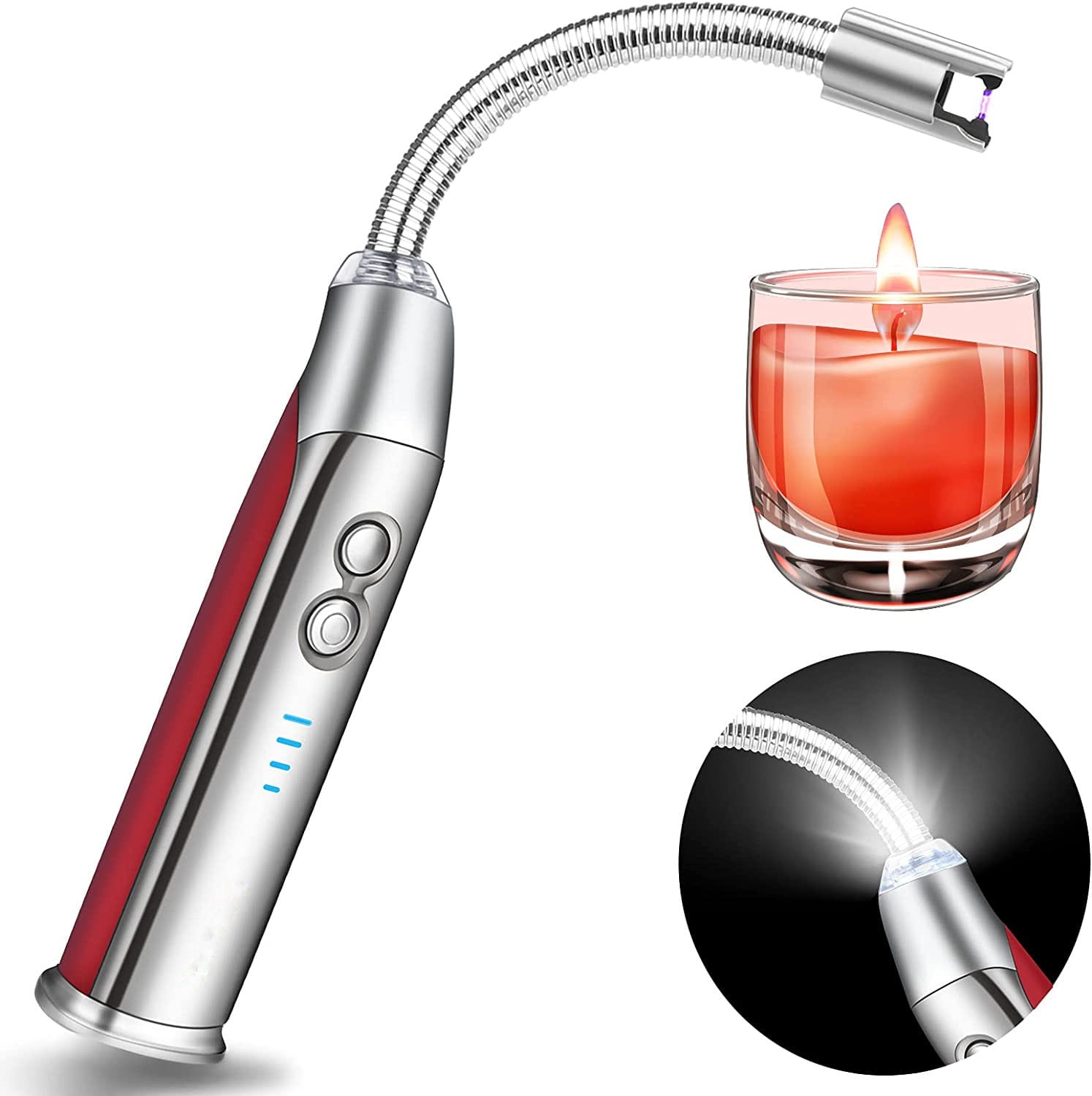
A flexible neck is one component of a proposed candle lighter. Define whether the enquiry covers only the metal gooseneck, an arm with specified fittings, or a complete product. A bendable neck does not establish the ignition method, flame performance, child resistance or safety of a finished lighter.
Provide a controlled drawing or reference sample with neck length, tube dimensions, required reach, working positions and end connections. Include mating dimensions, assembly clearances, routing requirements, finish, quantity and packing. Confirm which parts are included in the quotation.
Specify adjustment effort and position holding separately. Agree the supported parts and load, reach, mounting orientation, holding time, allowable movement and adjustment cycle count before sample testing. Do not assume a rotation range, service life or universal length from the term flexible neck.
Fuel storage, valves, ignition, electrical circuits, handles and safety controls are separate assembly items unless expressly included. A hollow gooseneck does not establish a sealed fuel path or a pressure-rated hose. Request evidence for the actual configuration and its connections if those requirements apply.
Refilling, charging, wind resistance, flame or arc characteristics and child-resistant controls depend on the complete specified product. They cannot be inferred from the flexible arm. A longer or adjustable neck does not eliminate burn risk or make a product suitable for all ages. Confirm finished-product requirements separately from component approval.
Describe the expected temperature exposure, contact conditions, moisture, cleaning agents and movement for the intended assembly. Agree applicable material and finish evidence, test conditions and acceptance criteria. No heat, corrosion or service-life rating is established by this guide.
Review routing clearance, end-fitting retention, interference and surface condition in the intended assembly. Record the drawing revision, test setup and measured results. Resolve changes to the arm, fittings or routing before production release.
Confirm inspection methods, sampling scope, acceptance limits and required records in the quotation. Retain the approved sample and drawing revision for repeat orders. Include sample quantity, tooling or setup requirements, target order quantity and delivery assumptions for review.
This guide supports component sourcing and RFQ preparation. It is not a finished-lighter operating guide or a verified comparison of consumer lighter safety. Review any proposed end use against the documentation for the complete product.