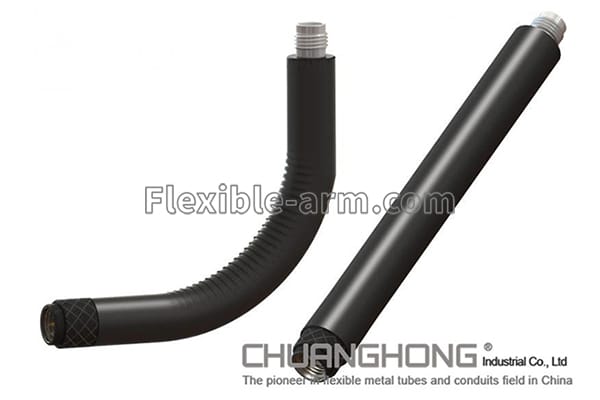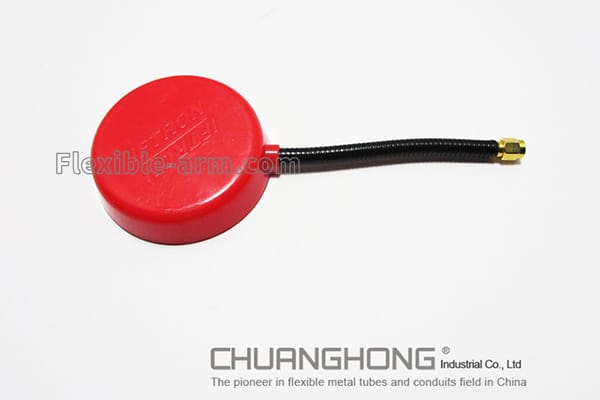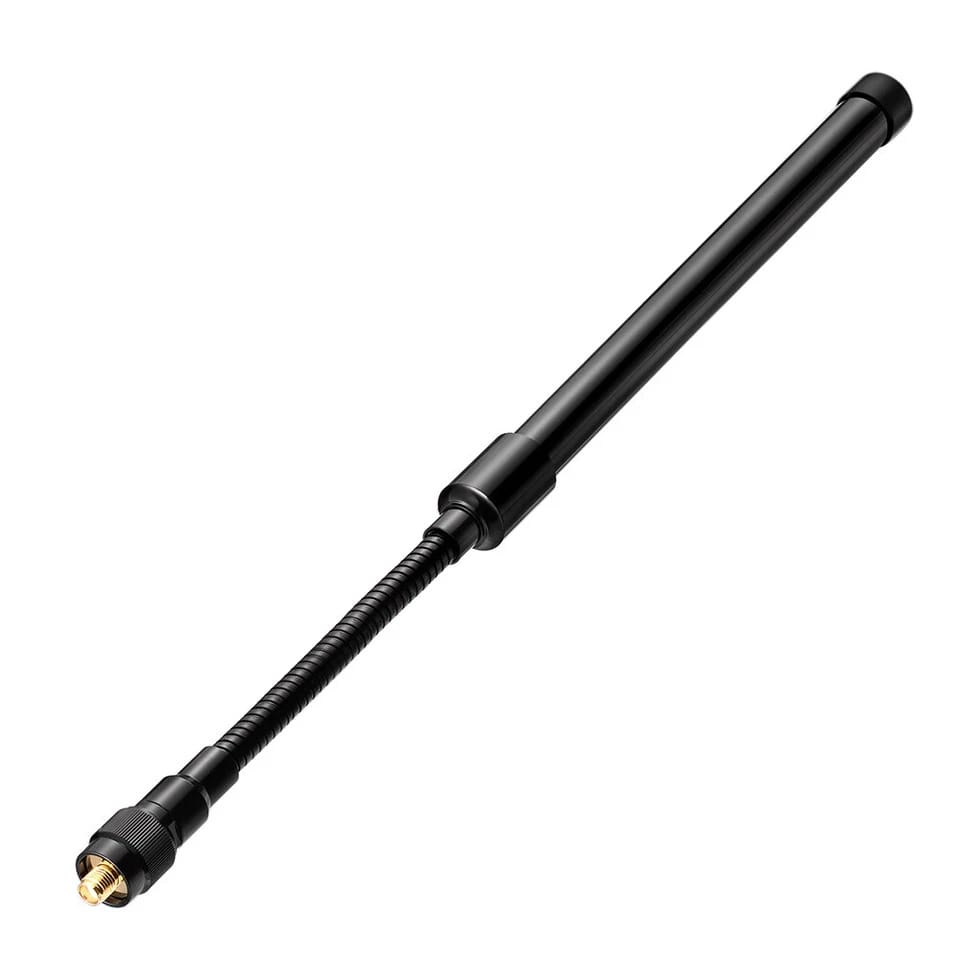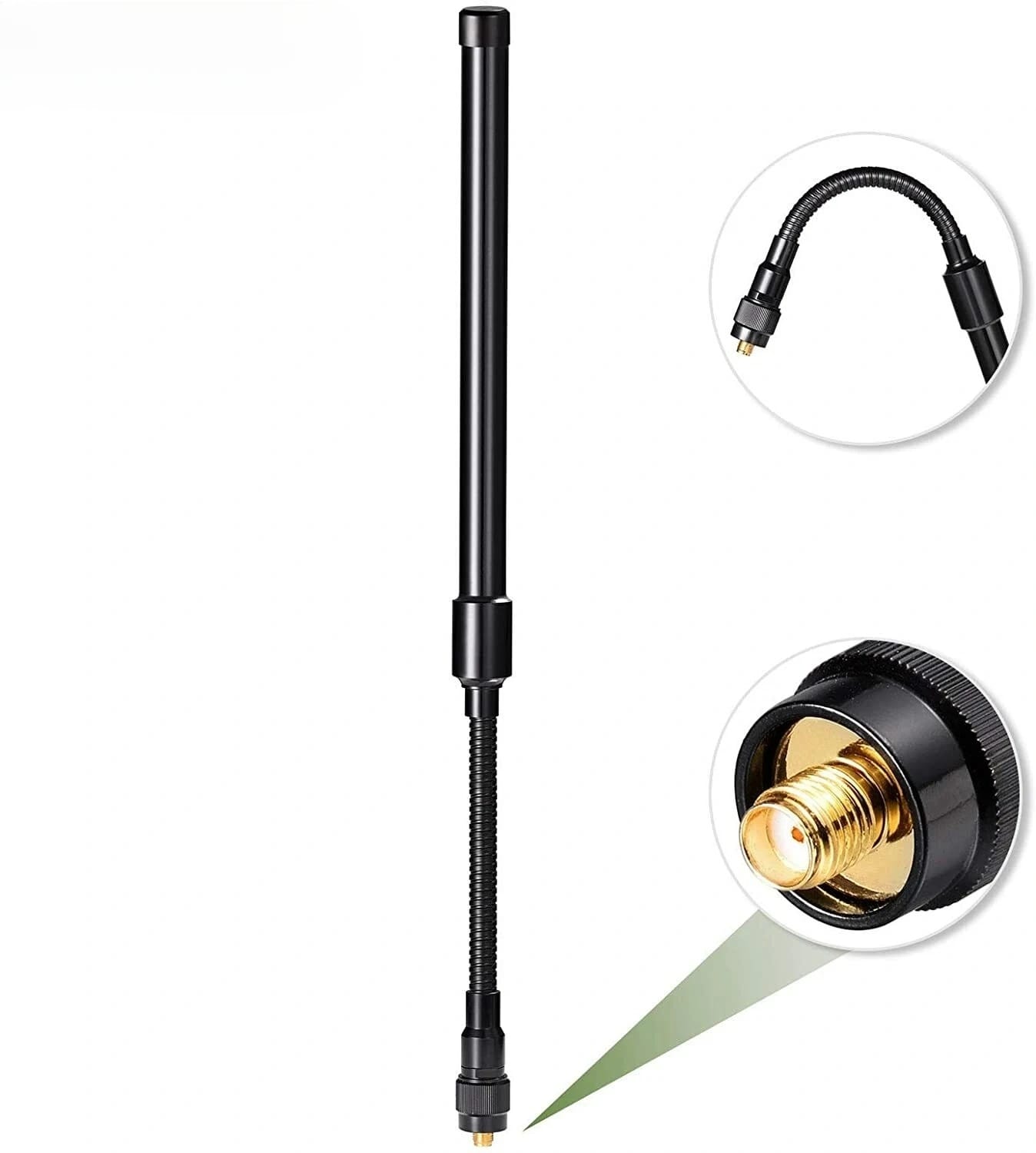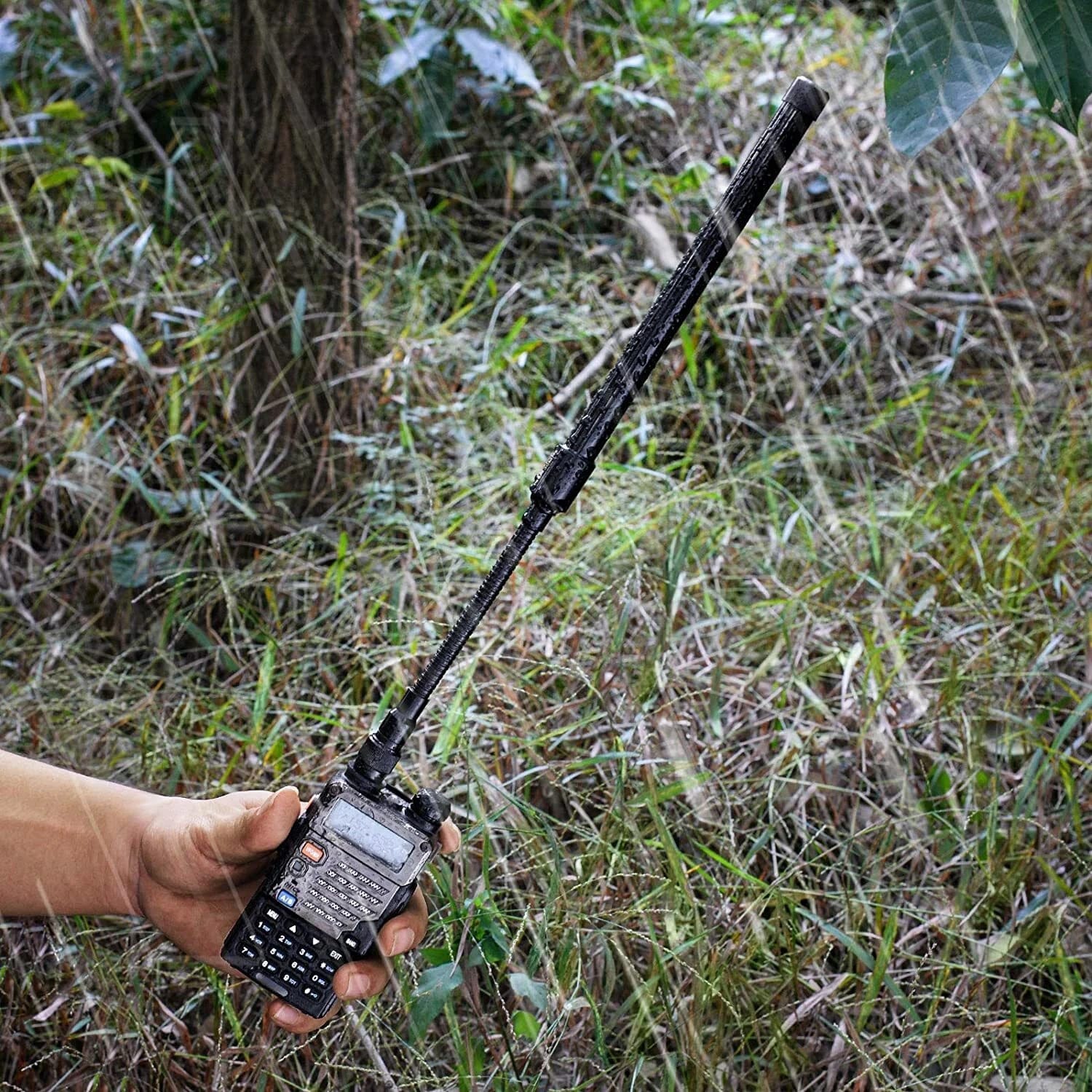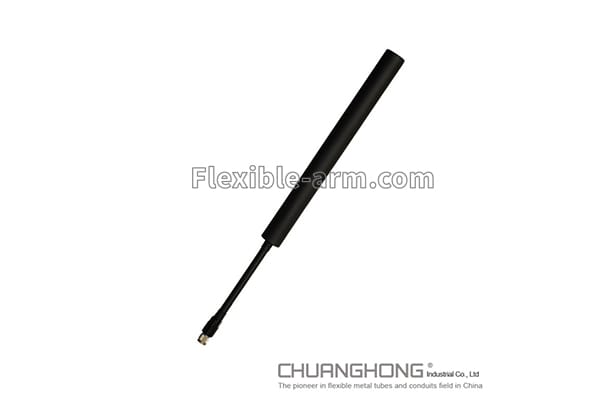
A flexible gooseneck for an antenna is a mechanical support used to adjust the position of an antenna assembly. For an OEM project, define the support tube, end fittings, cable path and mounting requirements separately from the antenna and radio specifications. This guide explains what to include in a component inquiry and how to evaluate a sample.
Start with a drawing showing the mounting surface, the antenna attachment and the intended working positions. Specify whether the quotation should cover a bare gooseneck tube, fitted ends, a protective covering or a defined assembly. Confirm whether cables, connectors and the radiating antenna are supplied separately.
Browse the antenna flexible arm product category for examples, then compare the proposed configuration with your own interface drawing. Product images alone do not establish connector compatibility or working load.
Give the overall length, flexible-section length, outside diameter and required positions. Include the weight of the antenna and all attached fittings. State the mounting orientation and maximum horizontal reach so the mechanical requirements can be reviewed together. Do not use tube length alone as a load rating.
Dimension both ends of the assembly. Identify thread diameter and pitch, insertion depth, retention features and any sealing surfaces. Include the mating component drawing or exact part number. Distinguish the mechanical attachment from the RF connector interface, and confirm each in the quotation.
If a cable runs through the gooseneck, provide its outside diameter and the largest connector dimension that must pass through during assembly. Supply the cable manufacturer's bend-radius and handling requirements. Check clearance at both ends and through the intended adjustment positions.
Specify the requested finish or covering, sample quantity and estimated production quantity. Describe exposure to moisture, temperature, vibration or cleaning agents where relevant. Ask for the applicable material records and agreed test evidence; a flexible shape or protective covering does not establish an environmental rating.
A movable support lets you change the antenna position, but the gooseneck alone does not establish gain, operating frequency, impedance, coverage or communication range. Validate the complete antenna, cable, radio and enclosure in the intended installation. Do not treat a mechanical sample check as an RF performance test.
For technical context, antenna manufacturer Taoglas describes testing and tuning with the enclosure and other mechanical system elements in place in its passive antenna testing and tuning workflow. This is a reference for system-level evaluation, not a certification or test report for Flexible Arm products.
Install the sample with the actual mounting hardware, antenna weight and cable. Check interface fit, adjustment effort, holding drift and cable clearance at the intended reach. Record any fitting movement, cable strain or finish damage. For repeated adjustment or environmental testing, agree on the test conditions and acceptance criteria before approving production.
It provides an adjustable mechanical position. Any RF benefit must be established by testing the complete system in its installation; gain or coverage should not be inferred from the support shape.
No universal fit should be assumed. Supply the exact mechanical interface and RF connector requirements, including thread and clearance dimensions, and validate the proposed assembly against the mating parts.
Outdoor suitability requires a defined exposure specification and supporting evidence for the proposed assembly. Confirm the finish, seals, materials and test requirements in the quotation rather than assuming an ingress or corrosion rating.
For product configuration examples, see our gooseneck antenna support page. For component dimensions and RFQ preparation, use the flexible gooseneck tubing specification guide.
Send your antenna support drawings and sample requirements, including the working positions, supported weight, interfaces, cable dimensions, finish and order quantities. Confirm the supply scope and sample acceptance requirements before placing a production order.