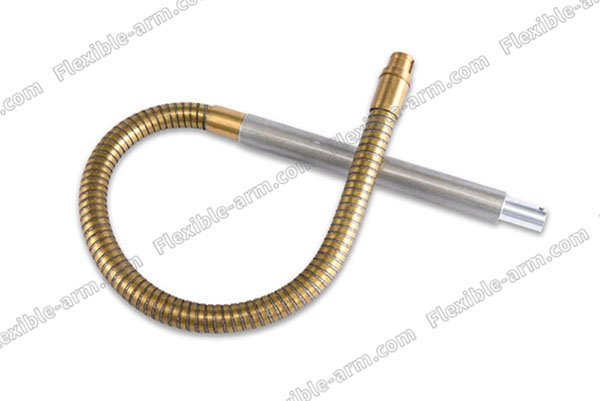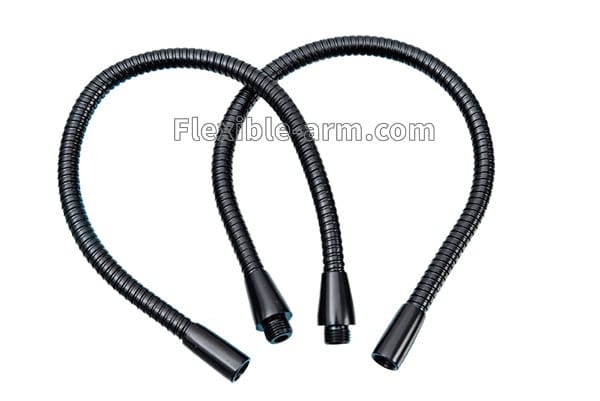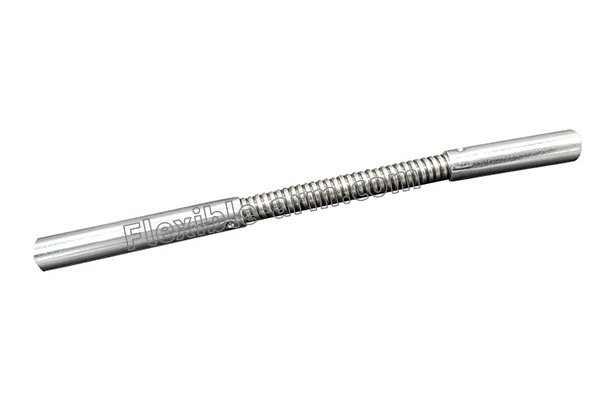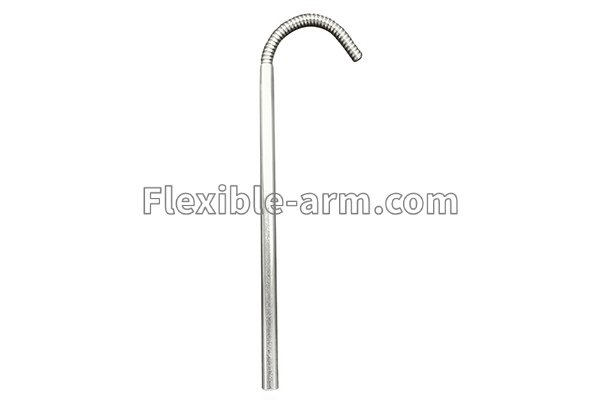
Select gooseneck lighting components around the lamp head, support arm, mounting base and cable as one assembly. This guide helps OEM buyers prepare a specification and approve a sample before ordering. A product name alone does not establish load capacity, service life or finished-lamp suitability.
State whether you need the support tube only, fitted ends, cable installation, a mounting base or a complete powered light. Identify what the buyer supplies and what the supplier must include. Review the gooseneck light fixture component page against the bill of materials before comparing quotations.
Provide lamp-head mass and center of gravity, arm length, maximum reach, mounting orientation and required working positions. Include lenses, diffusers, sensors and cable forces. Show the base or clamp and its mating surface. Position holding must be evaluated with the intended assembly; a description such as heavy duty does not supply a load rating.
A gooseneck support provides a bendable positioning element, but the permitted adjustment path depends on its construction and connections. Mark the working positions and required adjustment effort. If rotation is needed, identify the joint that provides it and its limits.
Specify thread size and pitch, engagement, fitting orientation, cable and connector dimensions, exit positions and strain relief. Evaluate clearance with the actual cable installed. Outside diameter does not establish the internal passage, and a metal arm is not automatically certified electrical conduit.
Give the proposed material grade, finish reference and appearance acceptance criteria. Describe temperature, moisture, cleaning agents and vibration where applicable. Ask for relevant documents and agree test methods for the quoted configuration. Outdoor, damp-location and medical uses require separate suitability review; a coating alone does not establish these qualifications.
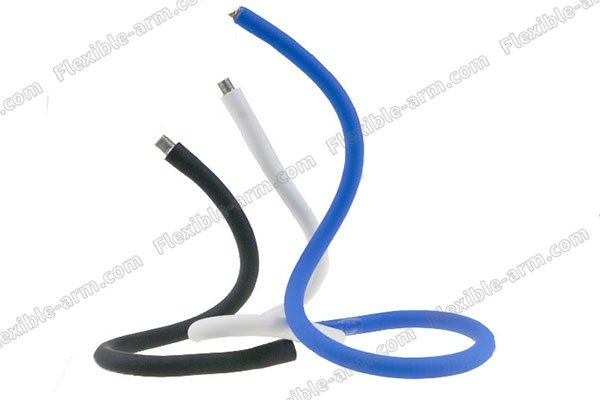
Compare metal lighting gooseneck tubing with silicone-covered lighting arms using the same load, reach, cable and exposure requirements.
Test with the intended lamp head, base, fittings and cable. Record the drawing revision and agree the following conditions before approval:
Mechanical sample approval does not establish the electrical safety or certification of a complete luminaire. Evaluate illumination, glare, power and thermal behavior for the finished light separately; the support arm alone does not establish energy efficiency or lighting coverage.
Include drawings, component scope, sample quantity, expected batch sizes, packaging, destination market and delivery needs. Ask the supplier to confirm feasibility, MOQ, lead time and applicable documentation for that configuration.
Use the lamp brand OEM RFQ scenario, then send your lamp assembly requirements for quotation.